How to Write Meta Descriptions That Get Clicks
 Written by Anna Almeida Ferreira · Head of Content & Digital PRWritten by Anna Almeida Ferreira · Head of Content & Digital PR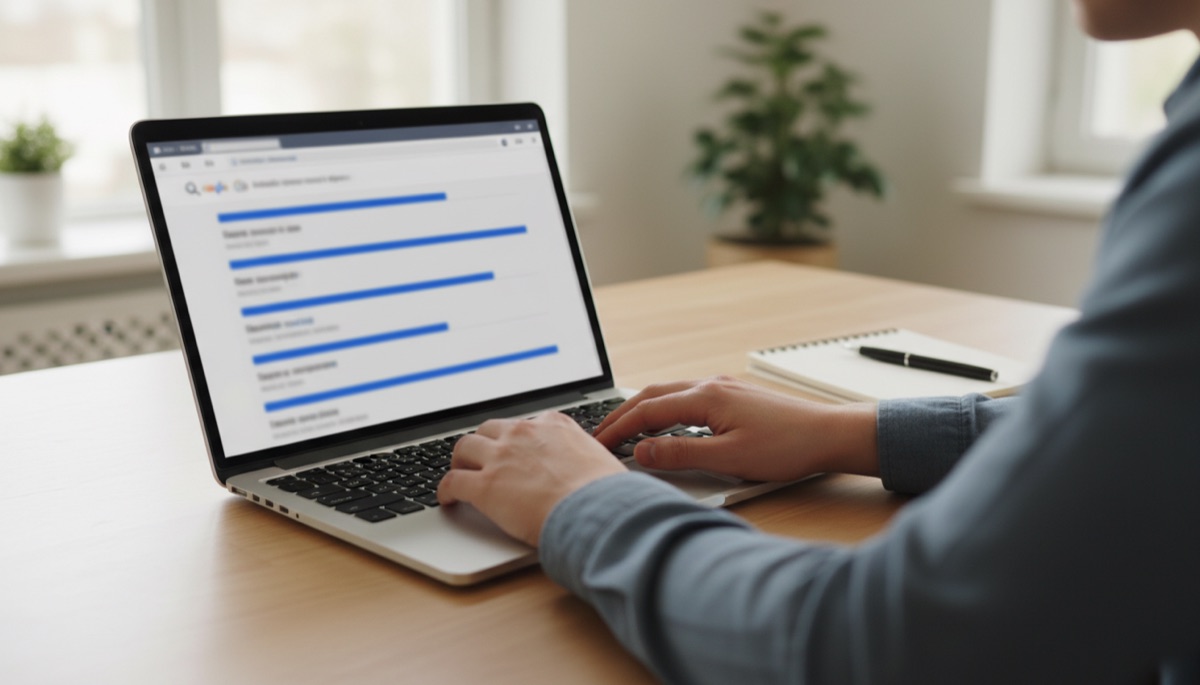
A meta description is the short summary that appears under your page title in the search results, and the best ones follow a simple formula: answer the search in the first few words, include the keyword, give one concrete reason to click, and do it all in 150 to 160 characters. Meta descriptions are not a ranking factor, but they are your advert in the SERP, and they decide how many of the clicks your ranking earns actually come to you.
I write these every week for client pages, and this is the exact process, with examples you can adapt.
Google has been clear that the meta description tag does not directly affect where you rank. What it moves is click-through rate. Picture a search result page as a shelf of ten products: your title tag and meta description are the packaging, and better packaging wins more of the clicks available at your position. A page ranking fourth with a sharp snippet can out-earn the page above it. More clicks from the same ranking is free traffic, which makes writing meta descriptions one of the highest-return hours in SEO. There is a second-order effect too: a description that matches what the page delivers attracts the right visitors, and users who find what they expected stay, convert, and come back.
One caveat to hold lightly: Google rewrites snippets for a majority of queries, assembling text from your page content when it thinks that serves the search query better. You write the description Google uses when it uses yours, and you make the rest of the page quotable for when it does not.
Every strong meta description we write does four jobs in one or two sentences:
Three examples of the formula in use. A service page: "Ecommerce website design that sells. Custom Shopify and WooCommerce builds for UK brands, SEO built in. Free quote from Rank Craft." A guide: "Write meta descriptions in 150 to 160 characters that answer the search and earn the click. The formula, with examples." A product page: "Handmade oak desk, delivered ready-built in 10 days. Five-year guarantee and free UK delivery."
Keep it 150 to 160 characters, and put the value in the first 120 so mobile truncation cannot kill it. Write a unique description for every single page, because duplicate meta descriptions waste the space and confuse Google about which page serves which query; at scale, a template with page-specific details beats one paragraph pasted everywhere. And never oversell: a snippet that promises what the page content does not deliver buys a click and an instant bounce, which helps nobody. The same honesty rule applies to your seo title: title tags and meta descriptions work as a pair, the title winning attention and the description closing the click.
Before you publish, run every meta description past this list. Is it 150 to 160 characters? Does it answer the search query in the first dozen words? Does it contain the keyword once, naturally? Does it give users a more accurate description of the page than Google's auto-snippet would? Is it unique, with no duplicate meta descriptions anywhere on the site? Does it make the searcher want to click without overpromising? And do the meta titles and descriptions work as a pair, title winning attention, description closing the click? Seven questions, thirty seconds, and it catches nearly every weak snippet before it costs you clicks in the search results. Writing meta descriptions well is a habit, not a talent, and this checklist is the habit.
Prioritise by traffic opportunity rather than rewriting everything at once. Start with pages ranking positions 4 to 15 in Search Console, where extra click-through rate pays immediately. Check what currently appears in search results for your money queries, write the strong meta description each page deserves, and revisit the numbers a month later: pages where CTR rose are your proof, pages where Google still rewrites your snippet are telling you the description and the page content disagree. Duplicate and missing descriptions across a site are one of the common SEO mistakes we flag in almost every audit, and Google's own snippet documentation is the reference worth bookmarking.
Meta descriptions are small copywriting with measurable returns, which makes them the perfect first collaboration between content and SEO. If you would rather have every title and description on your site written, tested and reported on, that is part of our SEO service: get a free quote.
No, Google has confirmed meta descriptions don't directly affect rankings. They affect click-through rate: a better description wins more of the clicks your position earns, and more clicks from the same rankings means more traffic without ranking a single place higher.
You can, but you are handing the decision to Google, which assembles a snippet from page content that may not sell the click. Write your own for every page that matters: service pages, product pages, and content you want traffic from.
Around 150 to 160 characters. Google truncates longer descriptions with an ellipsis on desktop, and mobile shows slightly less. Front-load the value in the first 120 characters so the message survives any cut.
Anna leads content and digital PR at Rank Craft. She writes and edits the copy behind our client campaigns, and pitches the stories that earn coverage and links from national press. More articles by Anna.